Source Vitamin D3 K2 Softgels for Bone, Immune, and Muscle Health
Compare 30 vitamin d3 k2 softgels from Chinese manufacturers. Options include OEM services, GMP-certified production, and custom formulations for bone density and immune support. Review specifications and request quotes from verified suppliers; compare the available evidence and request quotations based on your requirements.
Key considerations
Products List


Comprehensive Sourcing Guide
Vitamin D3 K2 Softgels Sourcing Guide
Buyers evaluating this category must first distinguish between finished consumer units and bulk raw material offerings, as the market presents distinct product profiles. Some listings explicitly describe finished softgel capsules with specific bottle counts and dosing instructions, while others indicate bulk packaging formats like bags intended for further processing or repackaging. Understanding this fundamental distinction is critical before initiating any procurement dialogue, as it dictates the required supplier capabilities and the nature of the quality assurance process.
The observed product attributes reveal a wide variance in target demographics and intended health outcomes, ranging from general bone density support to specific immune system enhancement. Procurement teams must carefully align their internal requirements with the specific claims and ingredient profiles listed by potential vendors, noting that some products explicitly exclude certain age groups like newborns or children. This alignment ensures that the sourced goods match the intended market segment and regulatory environment of the destination country without requiring immediate reformulation.
Product Scope and Observed Listing Signals
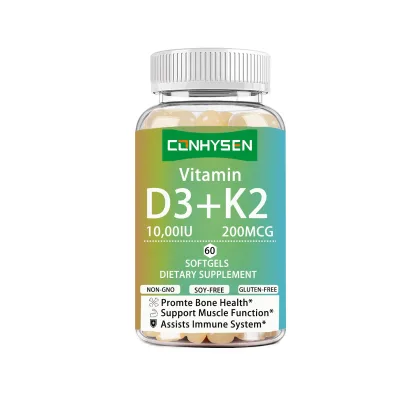
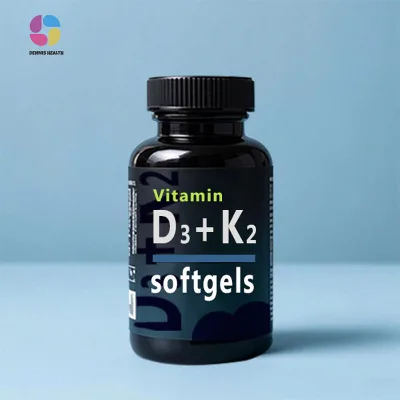
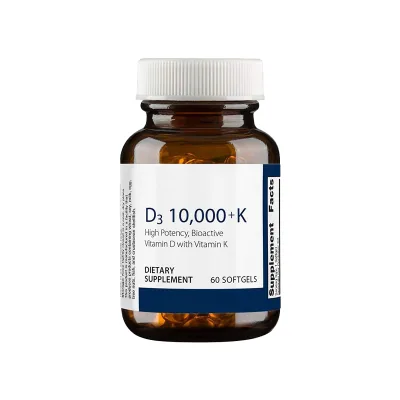
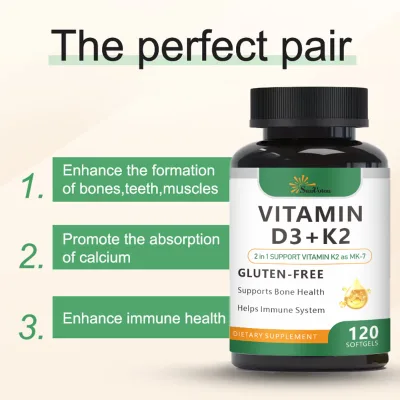
When reviewing available inventory, buyers should note the significant variation in packaging configurations and unit specifications that appear across different supplier listings. Some vendors offer standard retail-ready bottles containing sixty softgels, while others provide custom packaging solutions or bulk formats that may include different unit counts per container. This flexibility allows for tailored procurement strategies but requires clear communication regarding the final packaging requirements to avoid receiving goods that do not meet the intended distribution needs.
The ingredient composition and dosage forms also vary, with some products listing specific combinations of Vitamin D3, Vitamin K2, and Calcium, while others focus on single-ingredient formulations or custom blends. Buyers must verify the exact dosage instructions and the form of the active ingredients, as some listings specify a daily intake of one softgel while others suggest two. Confirming these details early in the sourcing process prevents mismatches between the product received and the label claims intended for the final consumer market.
Technical Specifications to Verify
Technical due diligence requires a rigorous verification of the physical and chemical specifications provided in the product data sheets. Buyers should confirm the exact model numbers and single package dimensions, as these affect logistics planning and storage capacity in the destination warehouse. The observed data indicates specific dimensions for individual packages, but variations exist between different suppliers, necessitating a precise check of the gross weight and volume to ensure accurate freight cost calculations and efficient palletization.
The shelf life and storage requirements are equally critical parameters that must be validated against the operational capabilities of the supply chain. Most observed listings indicate a shelf life of twenty-four months, provided the product is stored in a cool, dry place, but buyers must verify if the supplier guarantees this duration under specific transit conditions. Additionally, the dosage form, typically described as a softgel capsule, should be inspected for integrity and consistency to ensure the product remains stable and effective throughout its intended lifespan.
Compliance and Safety Documentation
Regulatory compliance is a non-negotiable aspect of sourcing health supplements, requiring suppliers to provide comprehensive documentation that aligns with the destination market's standards. The observed listings mention various certifications such as GMP, HACCP, QS, and ISO, which serve as indicators of a supplier's adherence to quality management systems. However, buyers must request current, valid certificates for each specific production batch or facility to ensure that the claimed standards are actively maintained and not merely historical claims.
Safety documentation must also address the specific exclusions and applicable demographics listed for each product variant. Some products explicitly state they are not applicable for newborns, children, or specific adult groups, which necessitates clear labeling and communication to prevent misuse. Buyers should verify that the supplier's quality control protocols include testing for contaminants and that the Certificate of Analysis (COA) confirms the purity and potency of the active ingredients like Vitamin D3 and K2.
Cost Drivers and Commercial Terms
Pricing in this category is influenced by the complexity of the formulation, the scale of the order, and the specific packaging requirements requested by the buyer. The observed minimum order quantities range widely, from small trial orders of ten bottles to massive bulk orders reaching millions of units, which directly impacts the unit cost and the feasibility of the transaction. Buyers must negotiate terms that reflect the volume they intend to purchase, as the cost per unit often decreases significantly with larger order sizes.
Payment terms and logistics responsibilities are also key commercial factors that vary between suppliers and must be clearly defined in the purchase agreement. Common payment methods observed include PayPal, Western Union, Telegraphic Transfer, and Trade Assurance, each carrying different levels of risk and protection for the buyer. Additionally, the supplier's location, often cited as Guangdong, Shaanxi, or Beijing, affects shipping costs and lead times, requiring buyers to calculate the total landed cost before committing to a supplier.
Supplier Qualification and Quality Control
Supplier qualification should extend beyond basic certification checks to include a thorough assessment of their manufacturing capabilities and quality control infrastructure. Buyers must verify if the supplier offers OEM or ODM services, as this indicates their ability to customize formulations and packaging to meet specific brand requirements. The presence of private label services suggests a mature supply chain capable of handling complex branding needs, but this capability must be confirmed through direct communication and site audits.
Quality control processes must be robust enough to handle the specific nature of softgel capsules, which are sensitive to temperature and humidity during production and storage. Buyers should inquire about the supplier's sampling policies, as some listings indicate that samples are acceptable, which allows for physical verification of the product before placing a large order. Establishing a clear protocol for pre-shipment inspections and third-party testing ensures that the final product meets the agreed-upon specifications and quality standards.
Long-Term Procurement Checks
Sustaining a successful procurement relationship requires ongoing monitoring of product consistency and supplier performance over time. Buyers should establish regular review cycles to assess whether the supplier continues to meet the agreed-upon quality standards and delivery schedules. This proactive approach helps identify potential issues early, such as changes in ingredient sourcing or manufacturing processes, allowing for timely corrective actions before they impact the supply chain.
Long-term success also depends on maintaining clear communication channels and updating procurement strategies based on market trends and regulatory changes. As the health supplement industry evolves, buyers must stay informed about new standards and consumer preferences that may affect the demand for specific formulations like Vitamin D3 and K2. Building a flexible supply chain that can adapt to these changes ensures that the business remains competitive and responsive to the needs of its customers.
FAQs
What are the main ingredients in these vitamin D3 K2 softgels?
The primary ingredients are Vitamin D3 and Vitamin K2, with Calcium included in some formulations. Customization options allow for specific ingredient adjustments to meet unique health food grade requirements. These components work together to support enhanced bone density and immune health for adults and middle-aged individuals.
Can I request OEM or private label services for this product?
Yes, OEM, ODM, and private label services are available for this vitamin D3 K2 softgel product. Manufacturers offer customization for specifications, such as 60 softgels per bottle, and packaging options like bottle packing. This flexibility allows buyers to tailor the product to their specific brand identity and market needs effectively.
What certifications do these vitamin D3 K2 softgels hold?
These softgels hold GMP, HACCP, QS, and ISO certifications, ensuring compliance with health food grade standards. Some listings also mention COA certification. These credentials verify the manufacturing quality and safety of the product, providing assurance for buyers sourcing supplements for the global market from suppliers in China.
What is the recommended dosage for taking these softgels daily?
The standard dosage is one softgel daily for most formulations, while some specific models recommend two softgels. This supplement is designed for adults, including men, women, and the elderly, to support strong muscles, bones, and cognitive function. It is not applicable for newborns or young children due to safety considerations.
How should I store these vitamin D3 K2 softgels to maintain quality?
Store the softgels in a cool and dry place to preserve their efficacy and shelf life. The product has a shelf life of 24 months when stored correctly. Proper storage prevents degradation of Vitamin D3 and K2, ensuring the supplement remains effective for supporting bone density and immune health throughout its usage period.
What is the minimum order quantity for these vitamin D3 K2 softgels?
The minimum order quantity varies, with some listings accepting just 10 bottles as the MOQ. Other suppliers may have higher thresholds up to one million units. This range allows flexibility for both small businesses testing the market and large enterprises seeking bulk procurement of health food grade supplements from Chinese manufacturers.